What is Conflict in a Story - And Why It's the Soul of Every Great Narrative
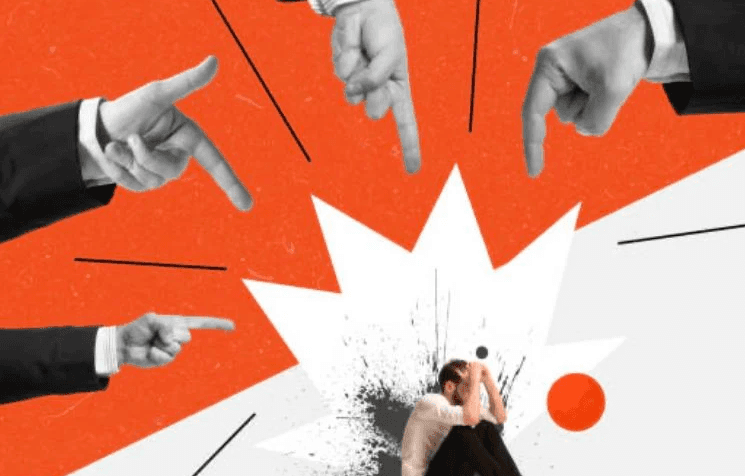
What is conflict in a story? It's the question every writer eventually asks - and most get the answer slightly wrong.
Conflict in a story is not an argument between two characters. It's not a villain showing up. It's not even a difficult situation. Conflict in fiction is simpler and deeper than all of that: it's the gap between what your character wants and what is stopping them from getting it.
That gap is where the story lives.
Why conflict in a story is not the same as drama
Most beginning writers think conflict means raised voices, confrontation, or someone doing something bad. But some of the most powerful conflict in fiction is completely silent. A son sitting across from his father, trying to say "I forgive you" and unable to get the words out - that's conflict. No shouting required.
What makes conflict work is not intensity. It's stakes. If your character can solve the problem without losing anything that matters, there is no real conflict. When they have to sacrifice something - love, safety, pride, a belief they've held all their life - that's when the story becomes impossible to put down.
The two kinds of conflict in fiction
At the highest level, conflict in a story falls into two types.
Internal conflict happens inside the character's mind. Guilt, doubt, a moral dilemma, the fear of becoming what they hate. This is the hardest kind to write because it has no physical shape - but it's almost always the most emotionally powerful.
External conflict is when something outside the character stands in the way. Another person. A society. Nature. A system. A belief that the world around them refuses to change.
In a strong story, both kinds work together. The external conflict creates pressure, and the internal conflict is how the character processes that pressure. Both shape who they become by the end.
The types of conflict in a story - with examples
Understanding conflict in fiction becomes much clearer when you see it in stories you already know.
Character vs Self - This is when your character's biggest obstacle is themselves. Their own guilt, fear, or desire. Think of a first-generation college student from a small town who gets a scholarship to a city university but is paralysed by the belief that people like him don't belong there. The external world has opened a door. His internal world is the one that might keep him from walking through it.
Character vs Character - Two people want incompatible things. What makes this interesting in fiction isn't the clash itself, it's what the clash reveals about both of them. A daughter who wants to leave her hometown to build a career. A mother who sees that choice as abandonment. Neither is wrong. That's the best kind of character vs character conflict in a story.
Character vs Society - This is when your character is pitted against larger forces - social expectations, caste, family honour, tradition, or political systems. In the Indian context, this type of conflict resonates deeply because the resistance isn't just external. It's woven into everything the character loves. A woman who decides not to marry but to start a social enterprise. Her community doesn't oppose her because they are villains. They oppose her because they are afraid of what her choice means for all of them. That layered resistance is what makes conflict in a story feel real.
Character vs Nature - A farmer in Assam whose fields are destroyed by monsoon floods. A mountaineer caught in a blizzard. These conflicts remind us how fragile we are. But the best conflict vs nature stories aren't really about nature at all. They're about what the character discovers about themselves when everything is stripped away.
Character vs Fate or the Supernatural - In a story set in a remote Himachal village, a young woman believes her grandmother's house is haunted. She doesn't just fight fear. She fights belief, tradition, and the question of whether the spirit is real or whether grief makes things real. This type of conflict gives a story a mythic quality - and in Indian storytelling, where the boundary between the natural and supernatural has always been porous, it can be extraordinarily powerful.
The test every scene must pass
Here is the question I ask myself before writing any scene: What does my character want in this moment, and what is stopping them?
If I cannot answer that in one sentence, I don't have a scene yet. I have a location.
Conflict in a story doesn't have to be enormous. It doesn't have to be life and death. It just has to matter to the character - and the reader has to believe that it matters. A man who desperately wants his father's approval sitting across a dinner table from a father who gives none. That's a scene built entirely on conflict in a story, and it can be more devastating than any action sequence.
How I plan conflict when I write
I start by knowing what my character wants. Not just their goal - their wound. The thing they believe about themselves or the world that is costing them something.
Then I ask: what kind of conflict in a story will force that wound to surface? Sometimes it's another character who represents everything they're afraid of. Sometimes it's a society that refuses to see them. Sometimes it's nature, or time, or a secret they've been carrying.
I rarely use just one type of conflict. The most interesting stories layer them. An internal doubt about whether you deserve love, combined with a social barrier that confirms that doubt, combined with a relationship that forces you to choose - that's rich tension. That's what keeps a reader turning pages.
Conflict is not the story. It is the force that makes the story inevitable.
When I look at the Indian stories, I find the most powerful - from the Mahabharata to the best of Hindi cinema - they all understand something that lesser stories miss. Conflict in a story is not something that happens to your character. It is the mirror that shows your character and who they truly are.
Remove the conflict, and you have a timeline of events. Keep it, and you have something that stays with a reader long after they've finished reading.
Conclusion
Conflict is not just a “story device”, it is the soul of a story. It pushes characters, reveals their truth, forces them to make hard choices, and ultimately gives meaning to their journey. When I write in the Indian context, with our traditions, values, social structures, and ever-shifting modern landscape, conflict becomes even more powerful. Because the resistance is not just external; it’s internal, deeply rooted, and personal. If you’re writing, don’t shy away from conflict. Embrace it. Let it challenge your characters, and in the process, challenge you.
If this breakdown of conflict helped you see your story more clearly, this is exactly what we practice live in The Foundation of Storytelling - an 8-class online course in Hindi and English. Have a question about your own writing? Message me on WhatsApp - I answer personally.
Related reading: How to Create a Character | Why Your Writing Feels Dry